
By Mónico team·8 min read
Buying your first home is one of life's big milestones, and one of the ones that raises the most questions. In Barcelona and the Maresme the market moves fast, but with a clear plan the process is much simpler than it looks. This guide sets out, in order, what you should know before you start viewing flats.
1. Work out your real budget
Before browsing listings, calculate how much you can put aside each month without compromising your quality of life. A prudent rule of thumb is that the mortgage payment should not exceed 30–35% of your net income.
On top of the payment come the fixed costs of owning a home:
- Community fees, which vary widely by building (lift, concierge, pool).
- IBI, the annual municipal property tax.
- Home insurance and, usually, the life insurance the bank asks for.
- Maintenance and small repairs, which almost always appear in a second-hand flat.
With that monthly figure you will know what purchase price you can really afford, which is not always what the bank is willing to lend.
2. Savings and purchase costs
Banks usually lend up to 80% of the appraised value of a main residence (or of the purchase price, if lower). The remaining 20% and the transaction costs come from your savings. In Catalonia, plan on 30–35% of the price between deposit and taxes.
Taxes in Catalonia
- Second-hand homes: you pay Transfer Tax (ITP). The general rate is 10%, rising by brackets for higher-value homes.
- Under 35: if the home will be your main residence and you meet the income limit, ITP drops to 5%.
- New builds: instead of ITP you pay 10% VAT plus Stamp Duty (AJD) on the deed.
Rates and requirements change with each budget law, so confirm them with your tax adviser or the Catalan Tax Agency before you sign.
Notary, land registry and conveyancing
Add between 1% and 2% of the price. Since 2019 the bank pays the notary, registry and conveyancing costs of the mortgage and its tax; you pay for the purchase deed and the valuation.
3. Line up the mortgage before you search
Getting pre-approval from one or more banks before viewing gives you two advantages: you know your real limit, and you can move quickly when the right home appears. In Barcelona good opportunities don't last.
When comparing offers, look at:
- Fixed, variable or mixed rate. Fixed gives peace of mind; variable follows the Euribor.
- APR (TAE), which includes fees and costs, not just the interest rate.
- Tie-ins: salary deposit, insurance or cards that reduce the rate. Check whether they are worth it.
- Early repayment fees.
4. Choose the area to suit your lifestyle
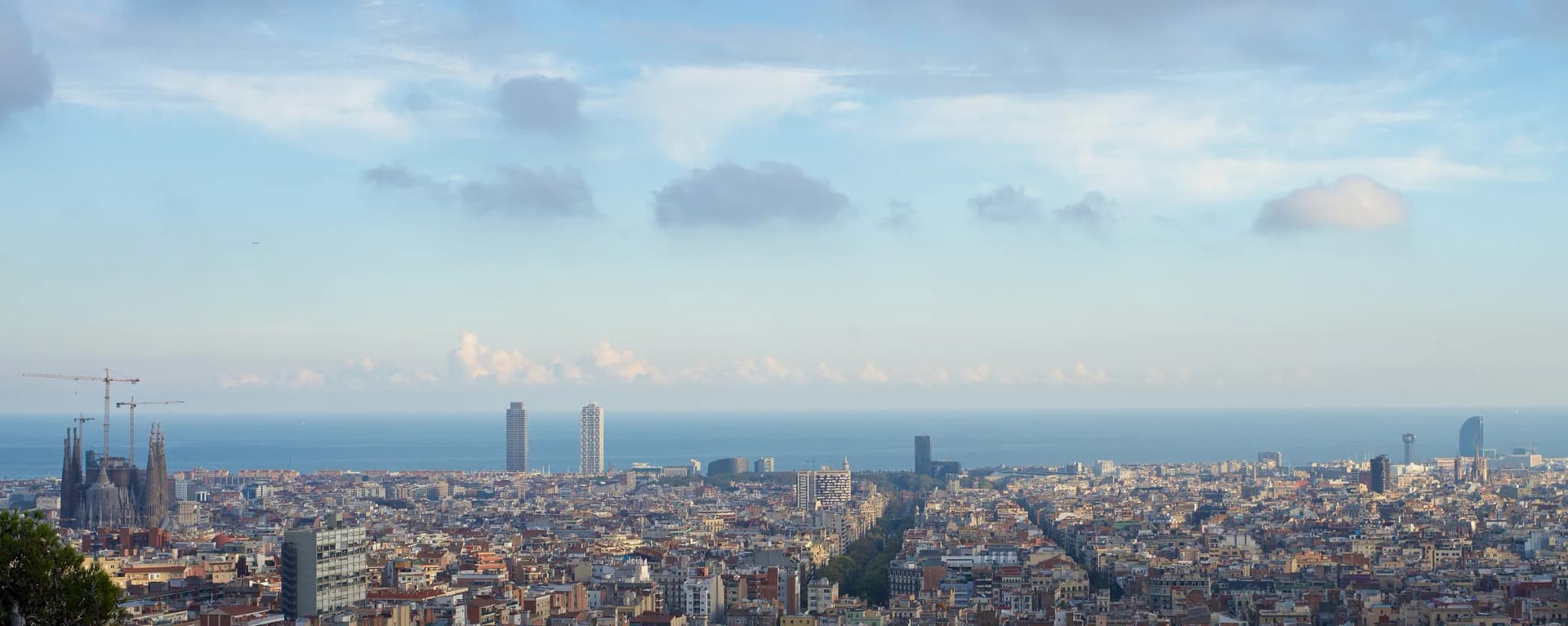
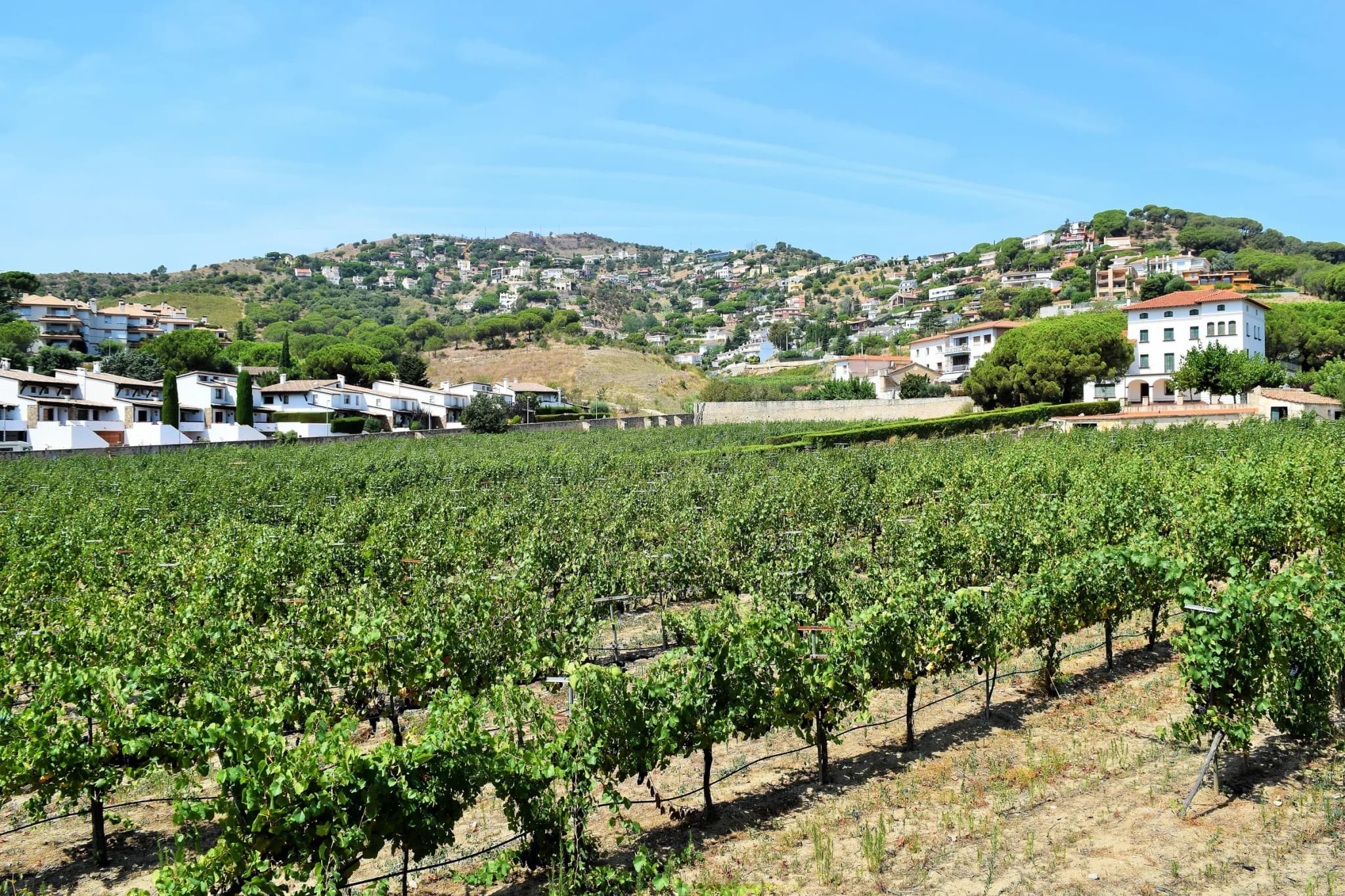
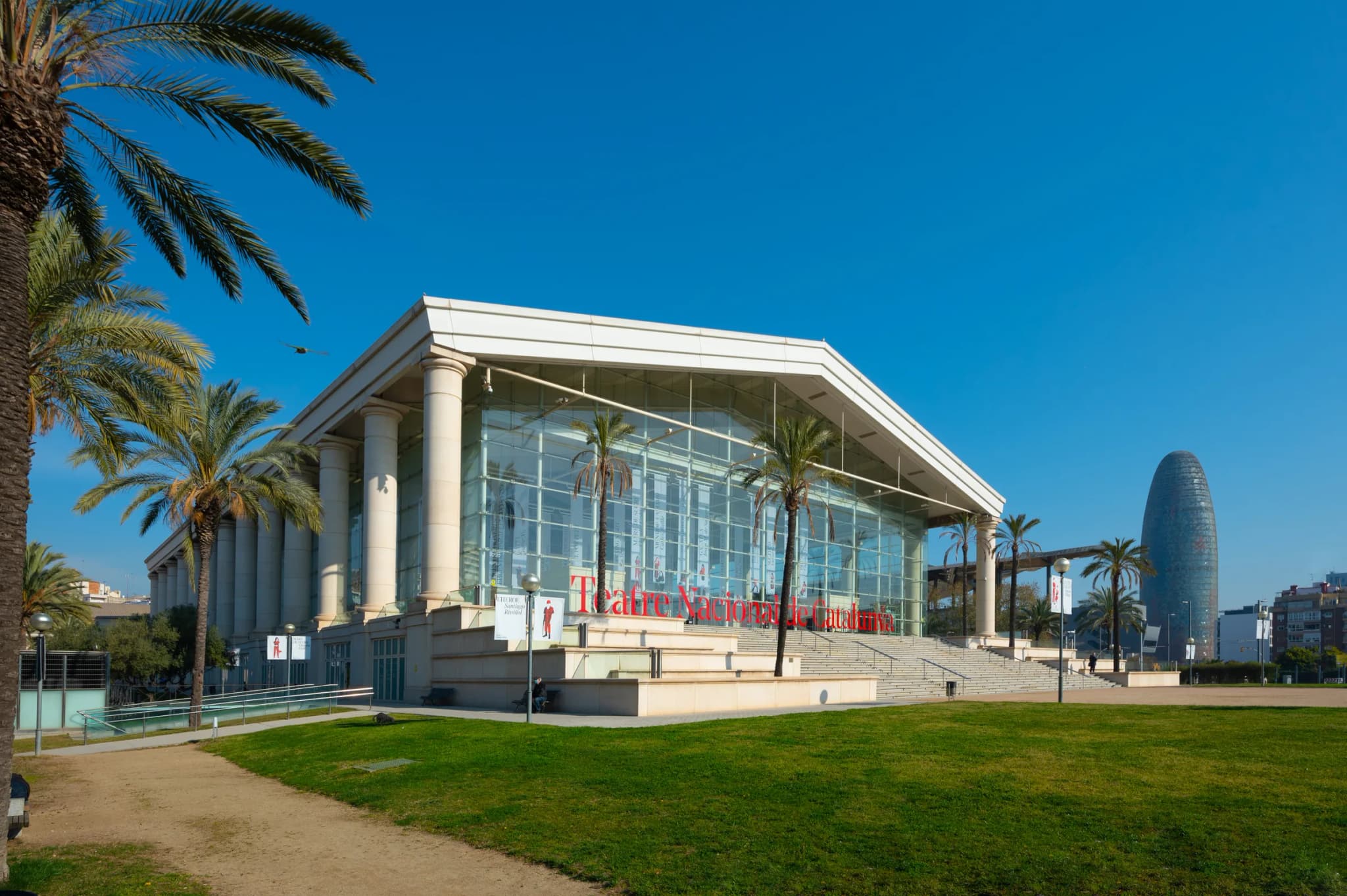
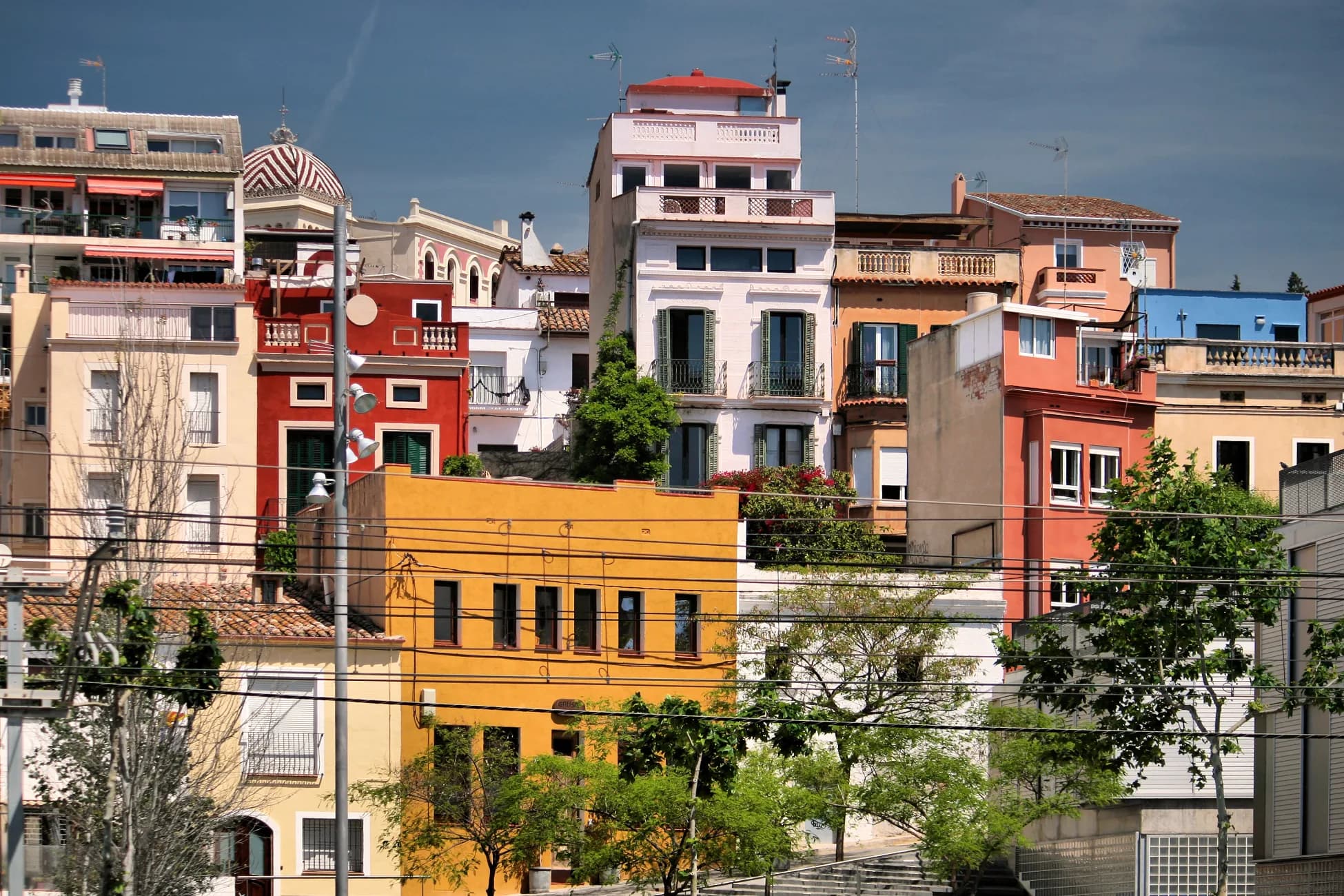
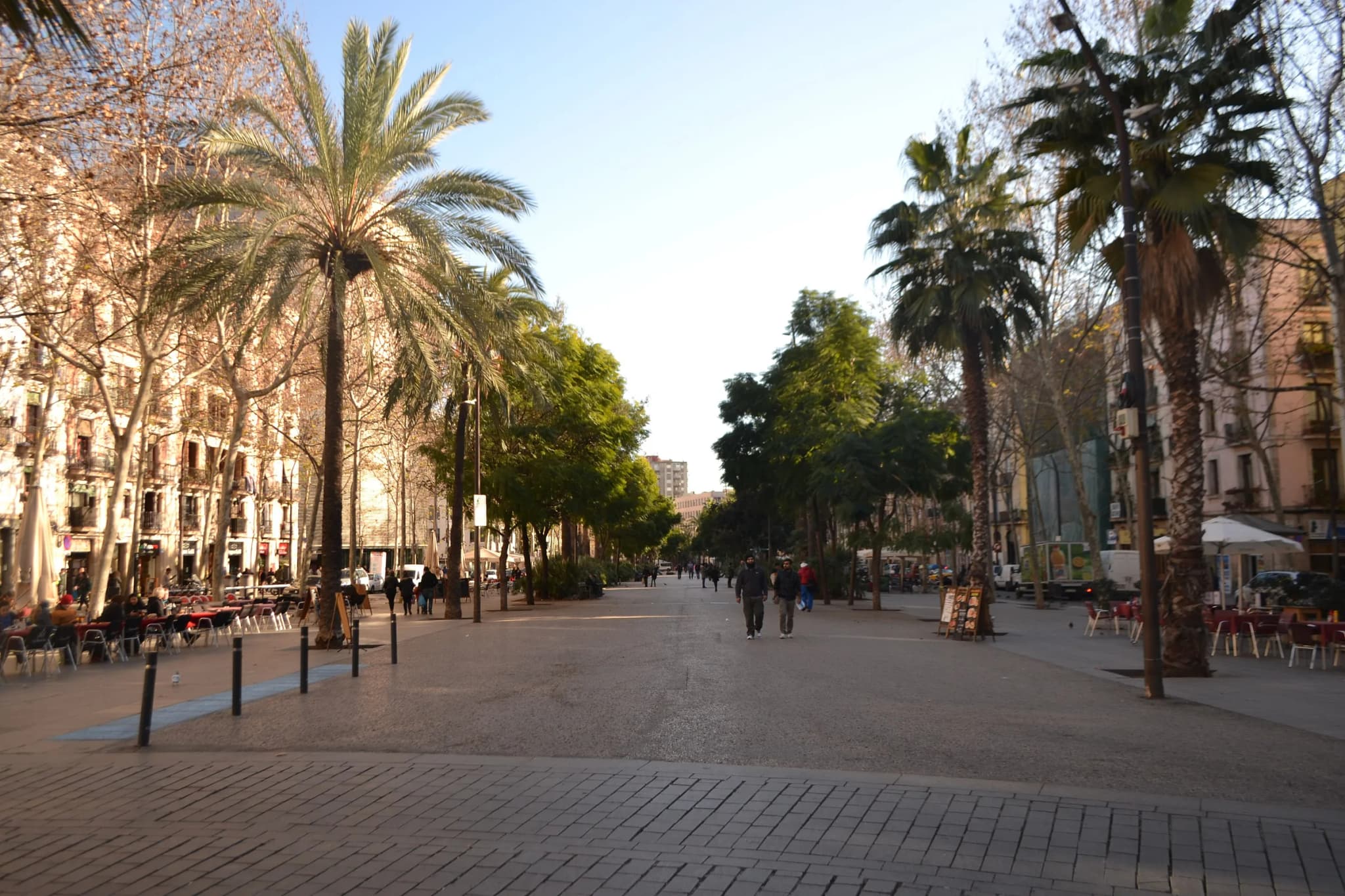
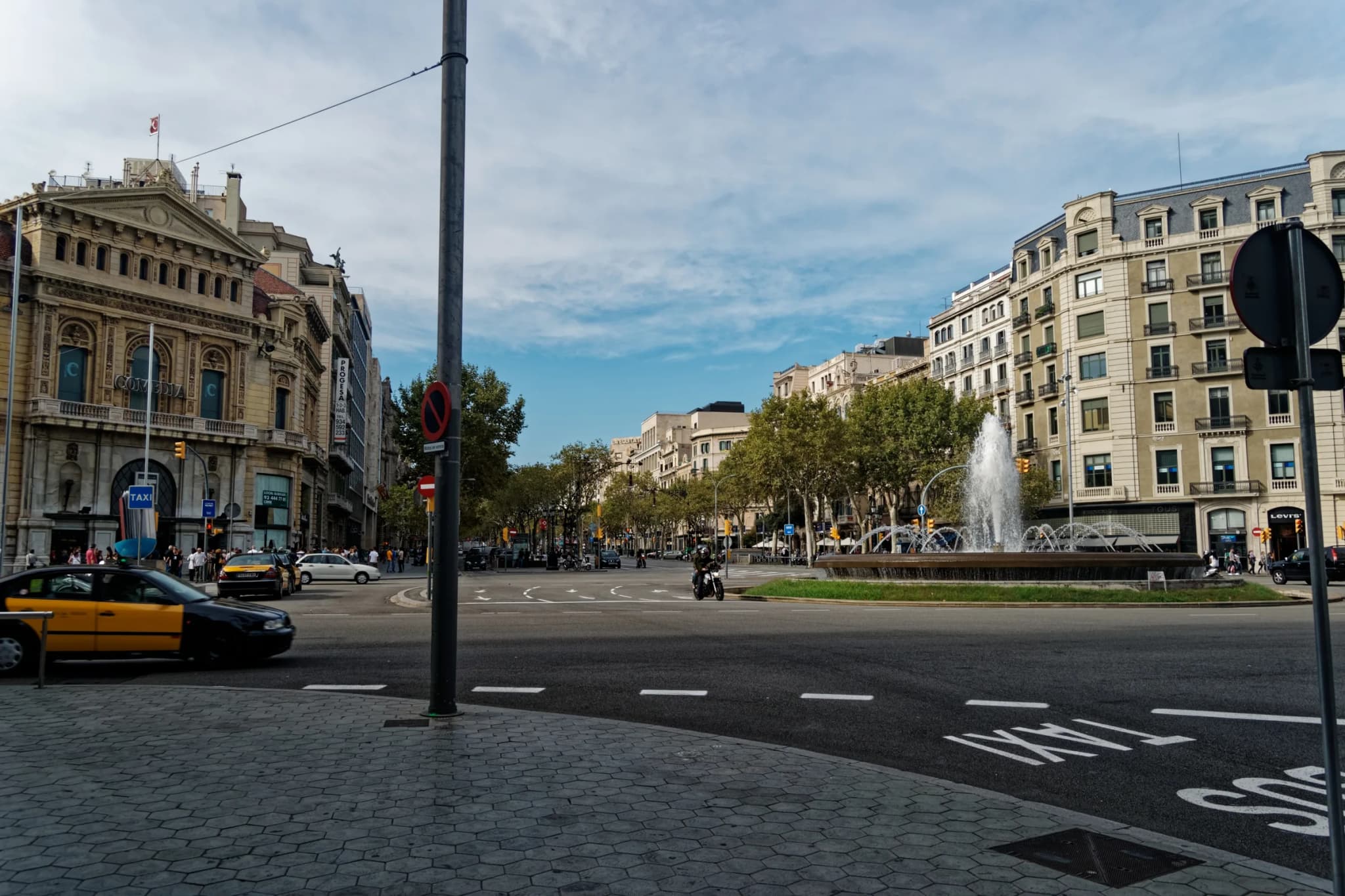
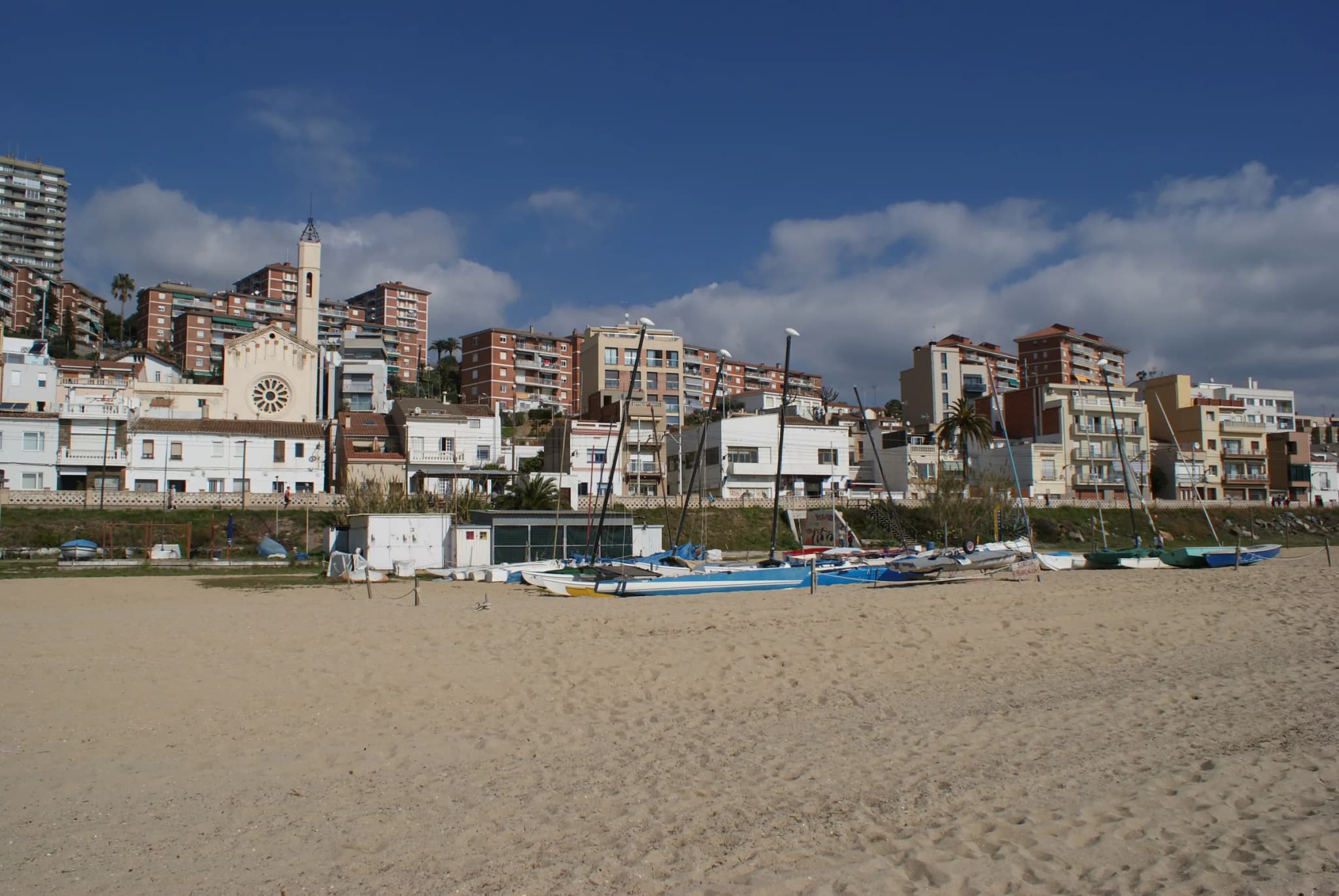
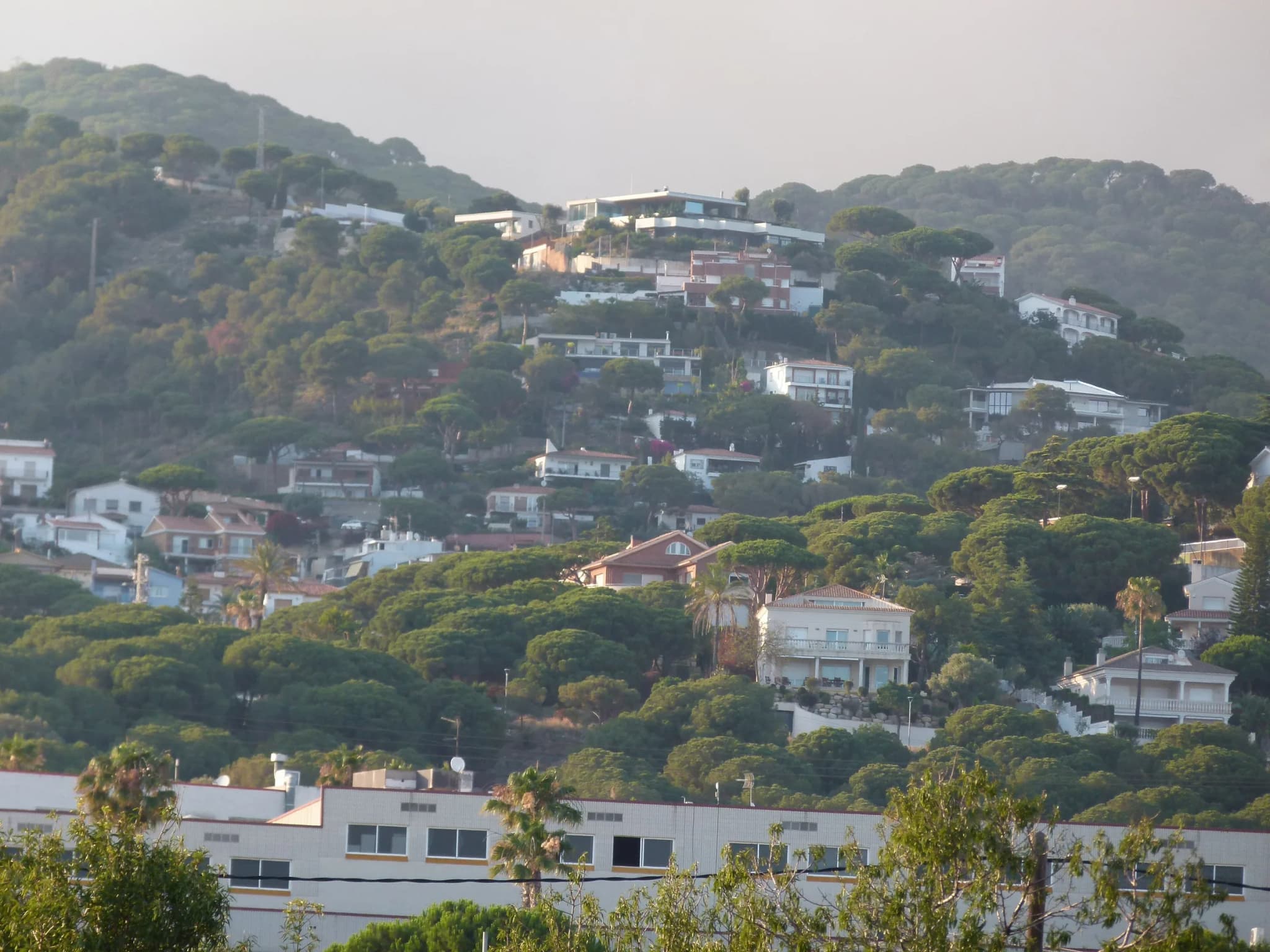
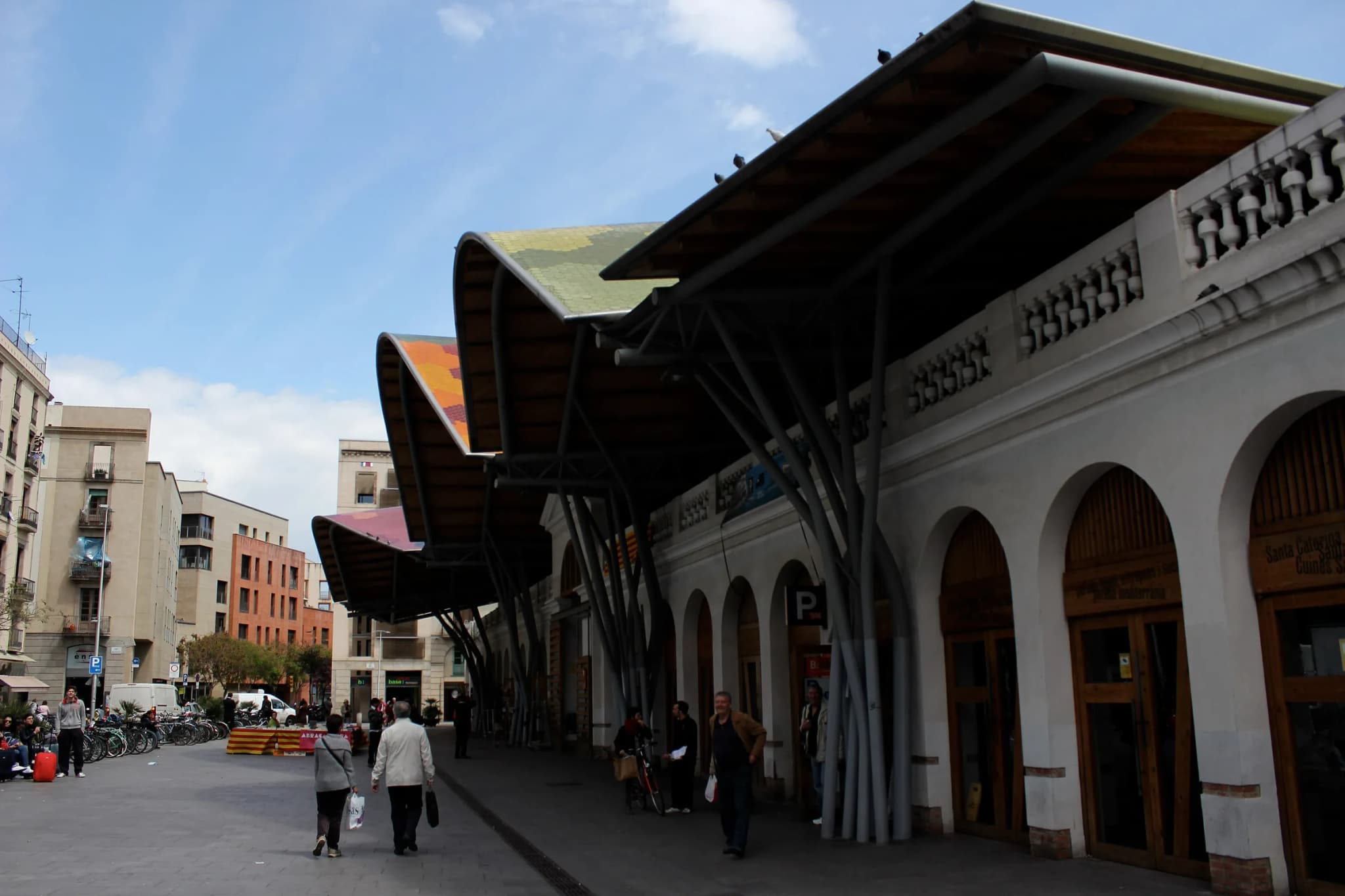
Barcelona offers connections, services and neighbourhood life; each area has its own character, from the Eixample grid to the calm of Sant Gervasi or Sarrià. The Maresme combines the sea, more space for the same budget and good train and C-32 links: Teià, Alella, El Masnou and Premià de Mar are popular with people who work in Barcelona.
Visit the area at different times: a quiet street on a Sunday morning can be very different on a Friday night. Think about schools, transport and parking too, even if you don't need them today.
5. View with a critical eye
A twenty-minute viewing is not enough to decide on a purchase. Bring a checklist and look at:
- Orientation and natural light. A second viewing at another time of day often reveals details you missed.
- Noise from the street, neighbours and building services.
- The building's condition: façade, roof, downpipes, lift. Ask about approved or planned special levies (derramas).
- The flat's installations: wiring, plumbing, windows and heating.
- Actual community fees and IBI, with receipts.
6. Check the paperwork
Before committing, ask for or check:
- Nota simple from the Land Registry: who the owner is and whether there are charges (mortgages, liens).
- Cédula de habitabilidad (habitability certificate), mandatory in Catalonia to sell a home.
- Energy performance certificate.
- Community certificate confirming fees are up to date.
- Latest IBI receipt.
- In older buildings, the technical building inspection (ITE) and any pending works.
7. Offer, deposit contract and signing
Once you find the home, the offer is normally formalised with a deposit contract (arras): you pay a deposit (usually around 10% of the price) and the date of the deed is set. With penitential arras, the most common type, if you pull out you lose the deposit, and if the seller pulls out they return it doubled.
Between the arras and completion the bank values the home and issues the binding mortgage offer. By law you have at least ten days to study it and an appointment with the notary to have it explained before you sign. On completion day the purchase and the mortgage are signed together, and you get the keys.
8. After completion
A few formalities remain: registering the home (the conveyancer handles it), paying taxes on time, transferring utilities to your name and notifying the town hall and the community. Keep the deed and the invoices for costs and renovations safe: you will need them the day you sell.
Professional support
A local agency knows the real market street by street, knows what prices are actually being agreed, filters out homes that don't fit and guides you through the paperwork right up to signing at the notary. Buying your first home doesn't have to be a leap in the dark.
Looking for your first home? At Mónico we help you find the option that fits you and your budget.
Talk to an advisor