
By Mónico team·7 min read
Investing in housing in Barcelona and the Maresme remains one of the favourite ways to protect savings, but not every purchase is a good investment. Returns don't depend on price alone: they depend on the area, the type of home, the costs and the rental rules. This guide explains what to look at, and where.
1. Gross and net yield
The first figure people usually calculate is the gross yield: annual rent divided by the purchase price. It's useful for comparing, but misleading. What matters is the net yield, which subtracts everything the investment costs:
- Purchase costs: taxes, notary, registry and any initial renovation.
- Annual costs: IBI, community fees, insurance, maintenance and repairs.
- Vacancy: the months between one tenant and the next.
- Rent default insurance, or the risk you take on without it.
- Income tax on the rent.
A home with an attractive gross yield can end up with far less once these numbers are done properly. That's why we analyse every purchase with real figures before recommending it.
2. What to look at beyond the price
- Rental demand in the area: who rents (students, families, professionals) and what they want.
- The building's condition: a special levy for the façade or lift can eat several years of returns.
- Layout: well-laid-out two- and three-bedroom homes have the most demand and resell best.
- Liquidity: how easy or hard it will be to sell in the future.
- Regulation: in stressed areas rent is capped by the reference index, seasonal lets included. Calculate the yield with the rent the law allows, not the one in listings.
3. Barcelona: areas and profiles
Each neighbourhood behaves differently. Some pointers:
Eixample
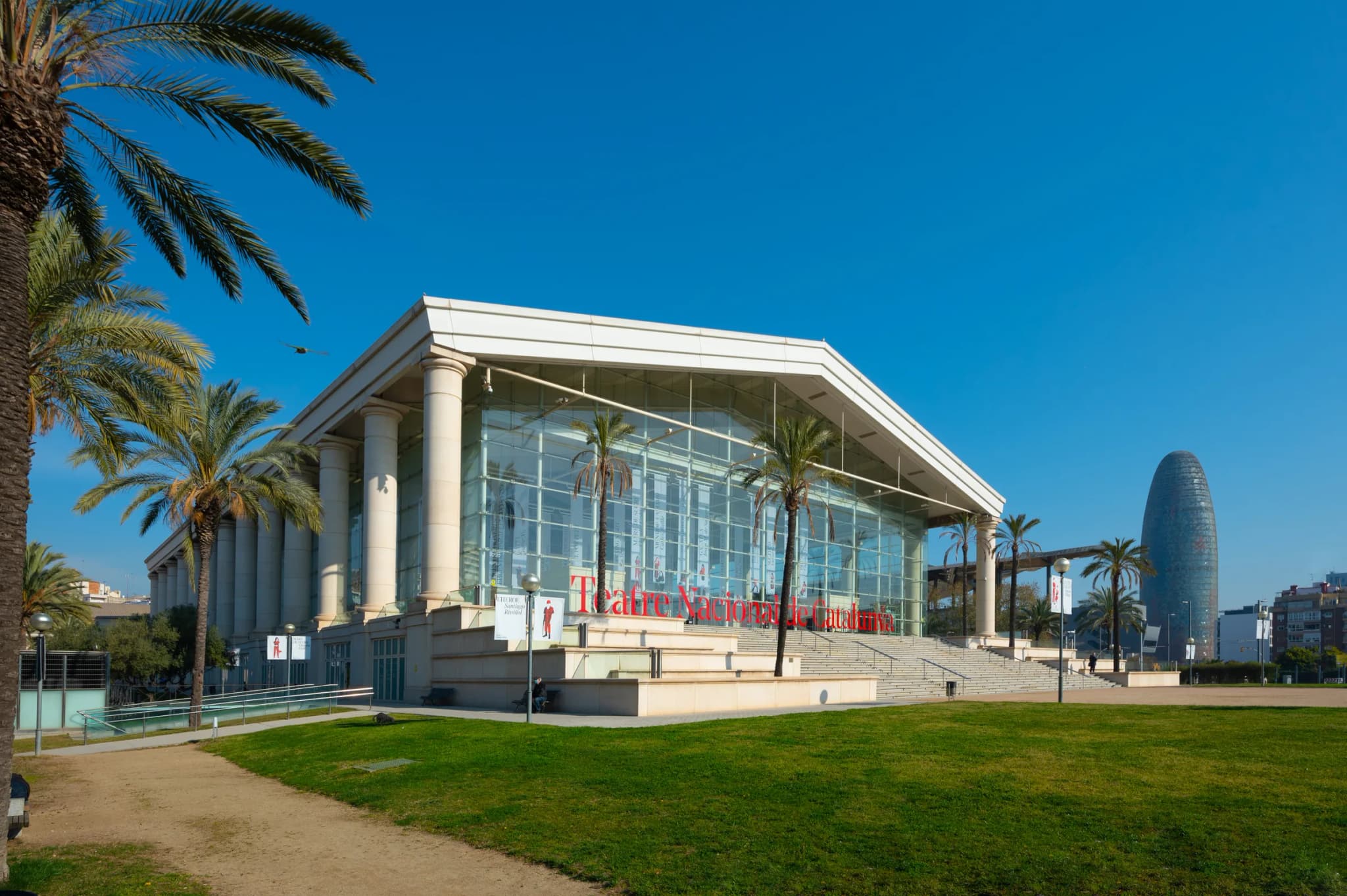
The heart of the city: constant demand, good resale and modernista buildings with plenty of appeal. Entry prices are high and gross yields moderate, but risk is low and homes let easily.
Sant Gervasi and Sarrià
Residential areas with demand from families and high earners. Long contracts, stable tenants and solid appreciation. These are wealth-preservation investments more than immediate-yield ones.
Gràcia and Sant Antoni
Lively neighbourhoods, very popular with young professionals. Smaller flats and a good price-to-rent ratio, though the condition of older buildings needs watching.
Poblenou and 22@
The transformation of the old industrial district has drawn tech companies and professionals. There are new builds and growing demand, with prospects for appreciation.
Sant Andreu, Sants and Horta
Lower entry prices, good metro links and demand from families and workers. They usually offer higher gross yields than the more central areas.

4. The Maresme
The Maresme combines the sea, quality of life and good train and C-32 links to Barcelona. Demand has grown in recent years among families and professionals who work fully or partly from home.
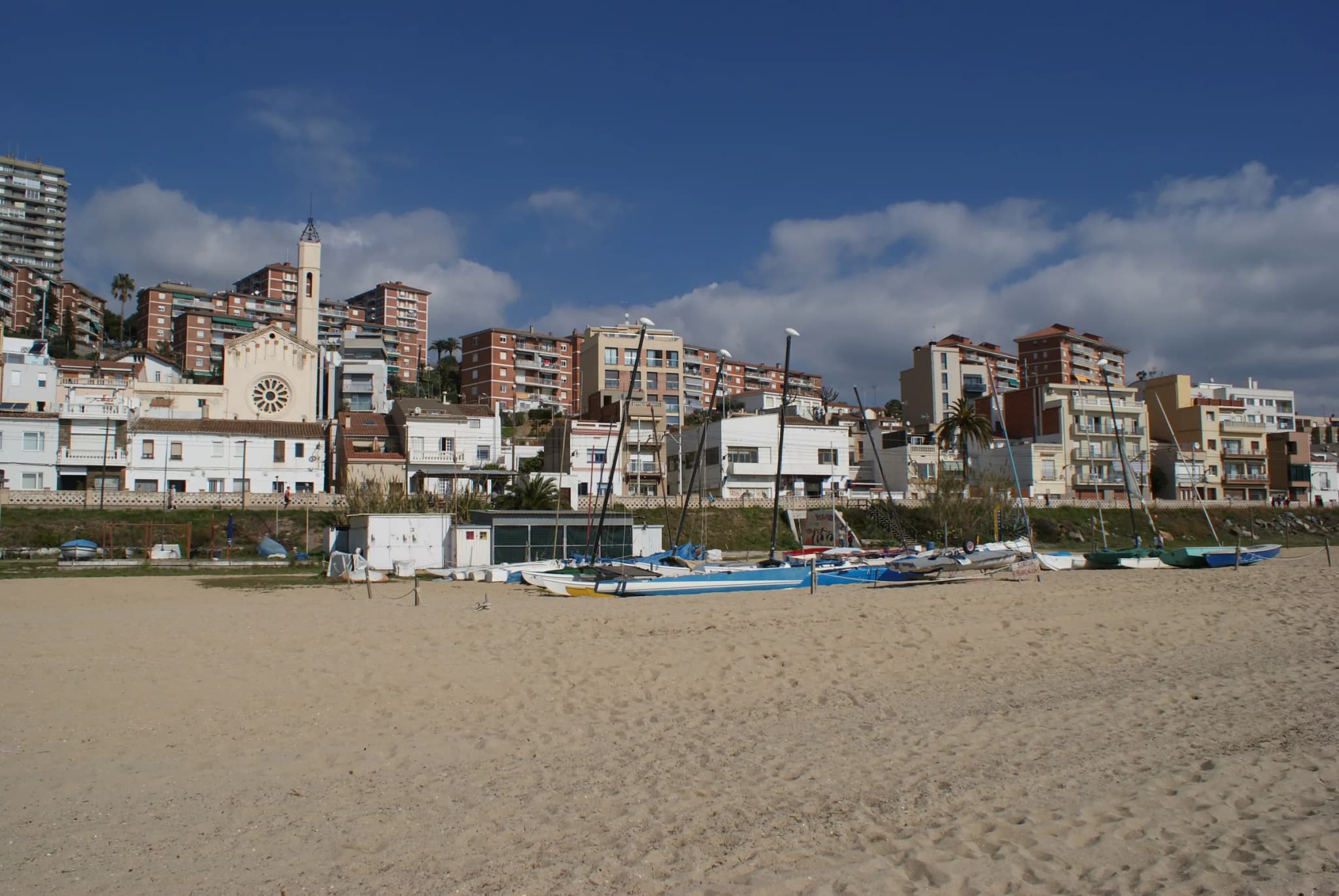
- El Masnou and Premià de Mar: close to Barcelona, with a train station and marina. Steady demand all year.
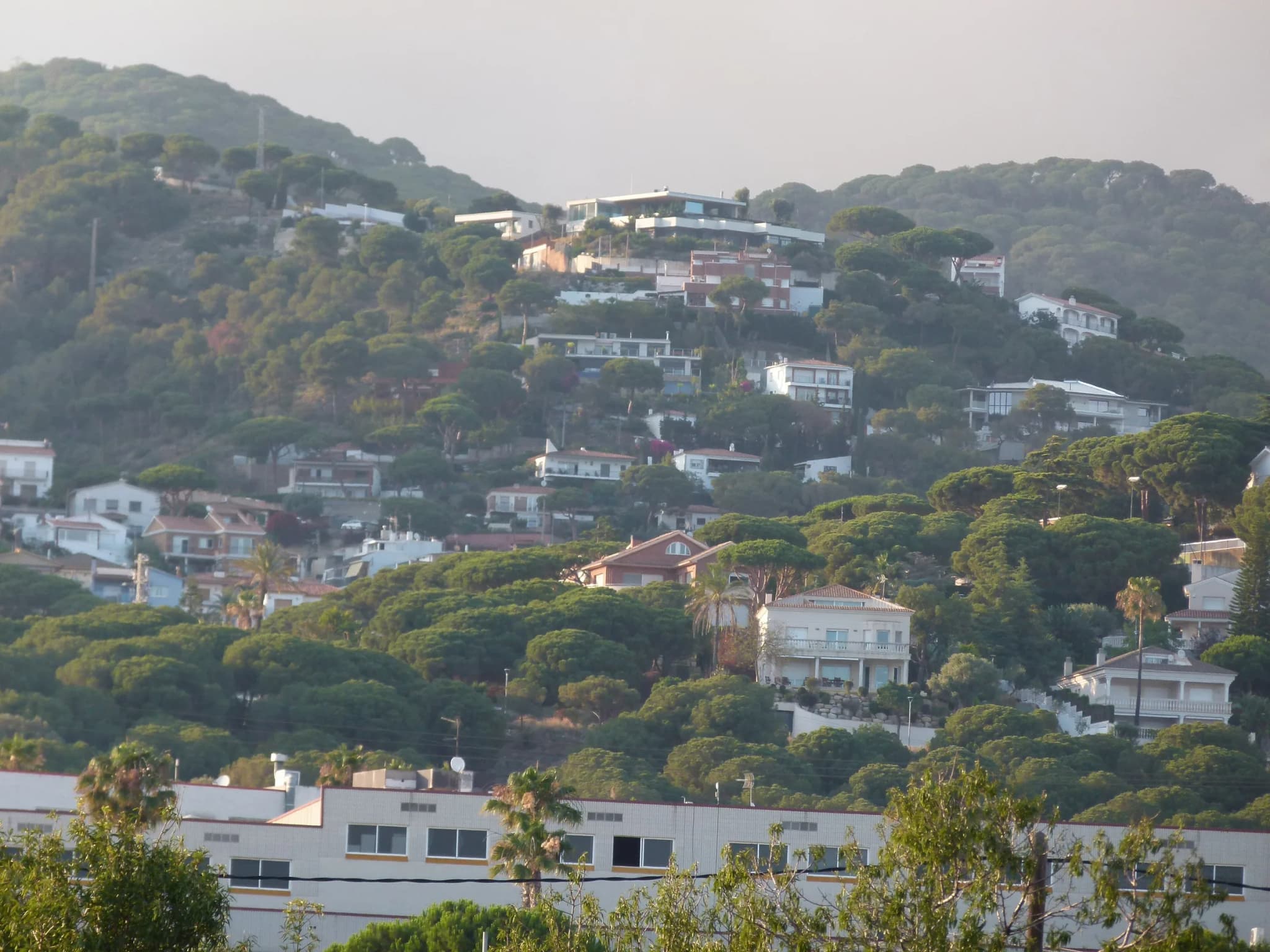
- Teià and Alella: residential areas of houses and flats with gardens, much sought after by families. A more long-term market, with less turnover.
- Vilassar de Mar and Mataró: more affordable entry prices and plenty of supply; Mataró has a very active rental market.
We'll also tell you what doesn't fit: if a deal doesn't make sense for your goal, we won't recommend it.
5. Tax for investors
- On purchase: second-hand homes pay ITP (in Catalonia, 10% generally, more in the upper brackets); new builds pay VAT and AJD. Purchases by large holders are taxed at a higher rate.
- While letting: rent is taxed under IRPF, after deducting costs and depreciation. Main-residence lets get a reduction on net income.
- On sale: the gain is taxed in the IRPF savings base, plus the municipal capital gains tax (plusvalía).
Always check your specific case with a tax adviser, as conditions change depending on how and in whose name you buy.
6. Judgement
As with buying a home to live in, investing is decided with numbers and local knowledge: what lets on each street, at what price and how quickly. If a deal doesn't survive the analysis, it's better to wait for the next one.
Thinking of investing? At Mónico we run the numbers on every deal before recommending it.
Talk to an advisor